
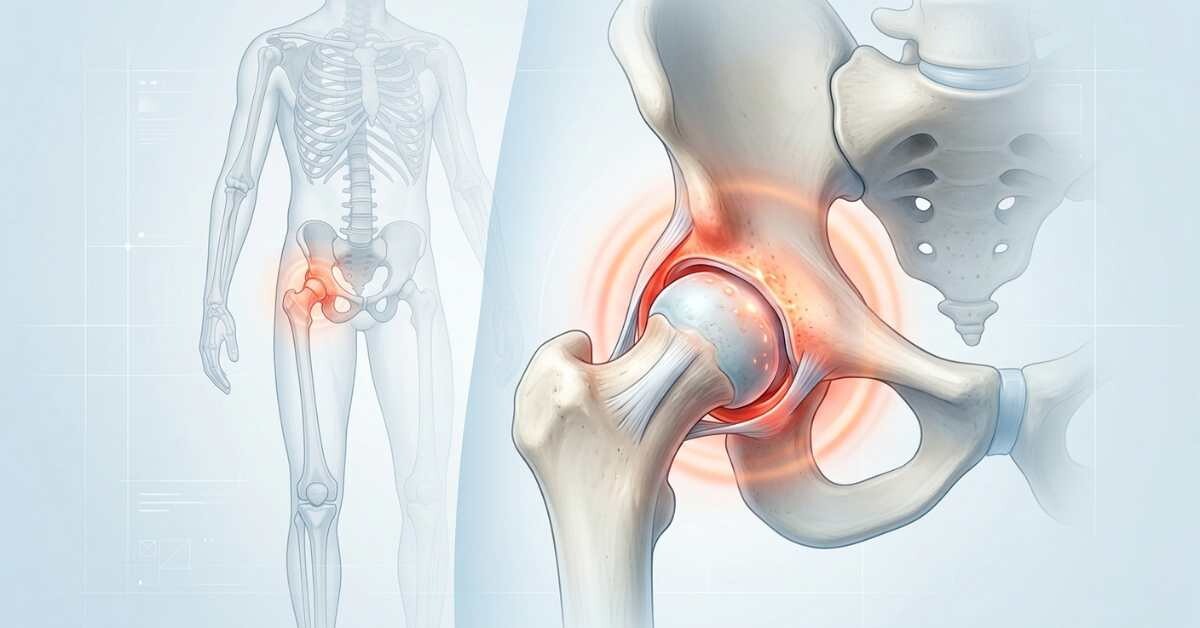



Hip Pain: Common Causes & Treatments
Hip pain is a prevalent issue affecting individuals of all ages and lifestyles. Whether it’s a dull ache after prolonged sitting or sharp discomfort during movement, hip pain can significantly impact daily activities. At Whole Health Orthopedic Institute, we understand the importance of identifying the root causes and providing effective treatments to restore mobility and quality of life. The following are hip pain causes & treatments.
Common Causes of Hip Pain
- Osteoarthritis
Osteoarthritis is a degenerative joint disease that often affects older adults. It causes the cartilage cushioning the hip joint to wear down, leading to pain, stiffness, and reduced range of motion.
- Bursitis
Inflammation of the bursae—small, fluid-filled sacs that reduce friction—can cause sharp pain, especially during movement. Trochanteric bursitis is a common form affecting the outer part of the hip.
- Tendinitis
Tendinitis refers to inflammation of the tendons, which connect muscles to bones. Overuse or repetitive activities can lead to hip flexor tendinitis, causing discomfort in the front of the hip.
- Hip Labral Tear
Athletes or individuals with structural abnormalities may develop tears in the labrum, the cartilage surrounding the hip socket. Symptoms include pain, clicking, or locking sensations.
- Fractures
Especially common in older adults with osteoporosis, hip fractures result from falls or direct impacts. They require immediate medical attention and often surgical intervention.
- Muscle Strains and Sprains
Overstretching or tearing of muscles and ligaments around the hip can cause acute pain, typically due to sports injuries or sudden movements.
Effective Treatments for Hip Pain
- Physical Therapy
Customized exercise programs improve strength, flexibility, and range of motion, addressing underlying mechanical issues contributing to hip pain.
- Medications
Nonsteroidal anti-inflammatory drugs (NSAIDs) help reduce inflammation and pain. In certain cases, corticosteroid injections provide relief from severe inflammation.
- Lifestyle Modifications
Weight management, proper posture, and ergonomic adjustments can alleviate stress on the hip joint, reducing symptoms over time.
- Surgical Interventions
When conservative treatments aren’t effective, surgical options like arthroscopy, hip resurfacing, or partial/total hip replacement may be considered.
- Alternative Therapies
Techniques such as acupuncture, chiropractic care, and massage therapy can complement traditional treatments, offering additional pain relief and support.
When to See a Specialist
Seek immediate medical attention if you experience:
- Inability to bear weight
- Severe pain following a fall or injury
- Signs of infection (fever, redness, warmth)
- Sudden swelling or deformity
At Whole Health Orthopedic Institute, our multidisciplinary team is committed to providing comprehensive care tailored to your specific needs. Don’t let hip pain limit your life—contact us today to schedule an evaluation and start your journey toward recovery to find out about hip pain causes & treatments.
Patient First. Patient Focused. Whole Health Orthopedic Care.