

Regenerative Medicine:
Restoring Movement, Relieving Pain

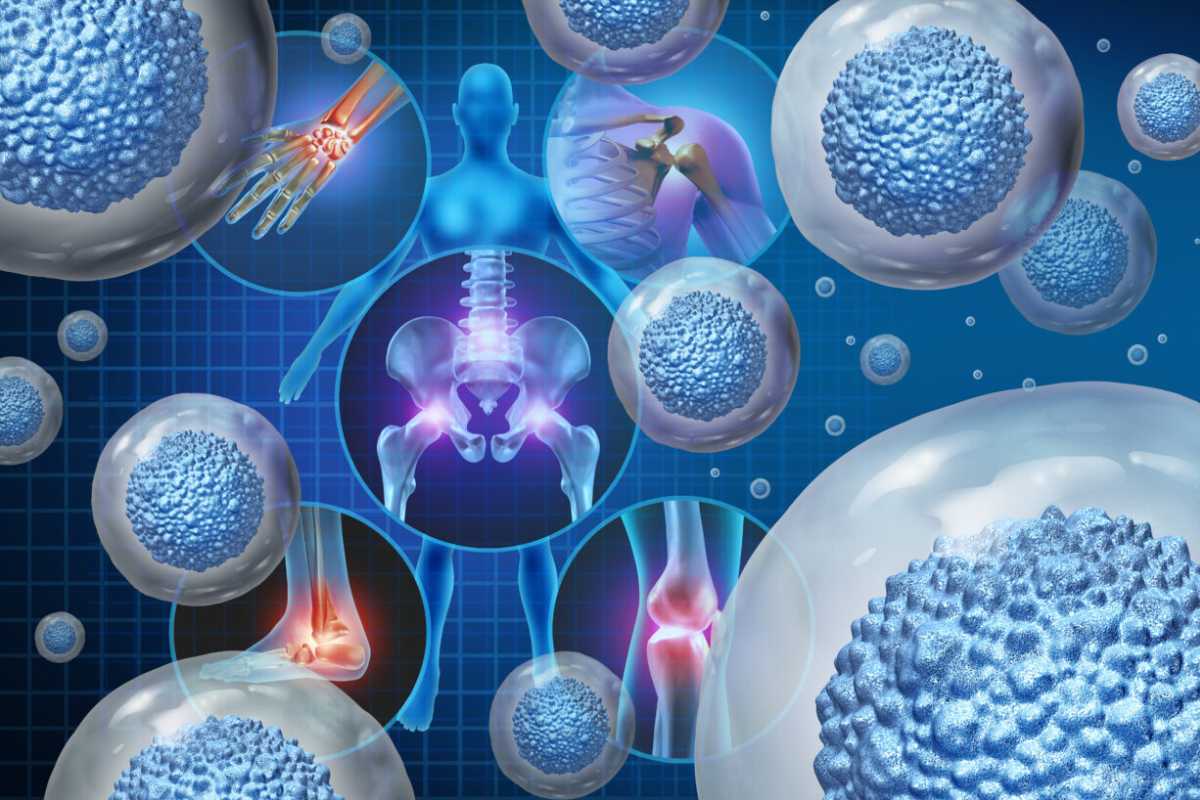
Regenerative medicine represents a cutting-edge approach to healing that focuses on the body’s natural ability to repair and restore damaged tissues caused by injury, overuse, or the aging process. These advanced therapies are transforming how joint, muscle, tendon, and ligament pain is treated—helping patients reduce pain, improve function, and return to an active lifestyle.
Dr. Ryan Molli, a board-certified orthopedic surgeon has extensive experience in musculoskeletal and joint care. At Whole Health Orthopedic Institute, every regenerative medicine patient is personally evaluated, diagnosed, and treated by his expert team of physician assistants who offer evidence-based regenerative treatments designed to provide meaningful, long-lasting pain relief while supporting the body’s natural healing process.
For many patients, regenerative medicine serves as an effective non-surgical option or a way to delay or avoid joint replacement surgery altogether—while still aligning with our whole-body, patient-focused philosophy of care.
Pricing Request

Conditions Treated with Regenerative Medicine
Regenerative medicine injections are commonly used to accelerate healing and relieve pain in patients with injured, damaged, or degenerative joints. By targeting the underlying source of pain and supporting the body’s natural repair process, these treatments may help patients improve function, reduce discomfort, and maintain an active lifestyle—often delaying or avoiding the need for joint replacement surgery and the lengthy recovery that can come with it.
Regenerative medicine may be beneficial for a wide range of musculoskeletal conditions, including:
Shoulder pain, including rotator cuff injuries, biceps tendon tears, joint degeneration, and frozen shoulder
Elbow pain, such as tennis elbow, golfer’s elbow, pickleball elbow, and chronic strains or sprains
Hip pain caused by osteoarthritis or bursitis
Knee pain, from mild to severe osteoarthritis, meniscus tears, or ligament injuries
Foot and ankle pain, including Achilles tendon injuries and arthritis
Hand and wrist pain related to arthritis
As part of our whole-body, patient-centered approach, each treatment plan is individualized to address your specific condition, goals, and long-term joint health.

Advanced Regenerative Treatment Options
At Whole Health Orthopedic Institute, we offer a range of advanced regenerative medicine treatments designed to support the body’s natural healing process and address pain at its source. These minimally invasive therapies are carefully selected and personalized based on each patient’s condition, goals, and overall joint health.
Platelet-Rich Plasma (PRP) Therapy
Uses a concentrated portion of your own blood rich in growth factors to promote tissue repair, reduce inflammation, and accelerate healing.
MFAT+PRP Micro-Fragmented Adipose Tissue
Harness biologic material from adipose tissue to aid in tissue regeneration and provide long-lasting relief for chronic joint and soft tissue conditions.
Bone Marrow Aspirate Concentrate (BMAC)
Utilize biologic material obtained from bone marrow to support the repair of damaged joints, tendons, ligaments, and cartilage.
Platelet-Rich Plasma (PRP) Therapy for Joint and Soft Tissue Pain

Platelet-Rich Plasma (PRP) therapy is a regenerative medicine treatment that uses a concentrated portion of a patient’s own blood to support healing and reduce inflammation. PRP contains growth factors that help repair damaged tissue and improve pain, mobility, and function in joints, muscles, tendons, and ligaments.
PRP injections are commonly used to treat knee, shoulder, hip, elbow, and ankle pain, including osteoarthritis, tendonitis, ligament injuries, and chronic overuse conditions. This minimally invasive, non-surgical treatment is performed in-office and typically involves minimal downtime.
Who Is a Candidate for Platelet-Rich Plasma (PRP) Therapy?
Platelet-Rich Plasma (PRP) may be appropriate for patients who:
-
• Have mild to moderate joint arthritis
-
• Are experiencing tendon or ligament injuries
-
• Have chronic joint or soft tissue pain not improved with conservative care
-
• Want a non-surgical option for pain relief and improved function
-
• Are looking to delay or avoid joint replacement surgery
Potential Risks and Side Effects
Platelet-Rich Plasma (PRP) risks may include:
-
• Temporary pain or soreness at the harvest or injection site
-
• Swelling, stiffness, or bruising
-
• Temporary increase in inflammation
-
• Bleeding or infection (rare)
MFAT+PRP Regenerative Medicine Therapy for
Chronic Joint Pain

MFAT+PRP is a regenerative medicine treatment that combines your own fat tissue (MFAT: Micro-Fragmented Adipose Tissue) and your own platelet concentrate (PRP: Platelet Rich Plasma) to help reduce inflammation and support tissue repair. Adipose tissue is a rich source of regenerative components and may provide longer-lasting relief for chronic joint and soft tissue conditions.
This therapy is commonly used to address joint arthritis, degenerative joint disease, chronic knee or hip pain, and soft tissue injuries, particularly in patients seeking advanced non-surgical orthopedic options.
Who Is a Candidate for MFAT+PRP Regenerative Therapy?
MFAT+PRP regenerative therapy may be appropriate for patients who:
-
Have chronic joint pain or arthritis
-
Have not achieved adequate relief with conservative treatments
-
Are seeking a non-surgical or joint-preserving solution
-
Want a regenerative approach focused on long-term joint health
-
Are candidates for a minimally invasive biologic procedure
Potential Risks and Side Effects
MFAT+PRP regenerative therapy involves a minimally invasive tissue collection process. Potential risks may include:
-
Temporary soreness, swelling, or bruising
-
Discomfort at the collection or injection site
-
Temporary inflammation during the healing process
-
Bleeding or infection (rare)
Bone Marrow Aspirate Concentrate (BMAC) Regenerative Therapy for Advanced Joint Conditions
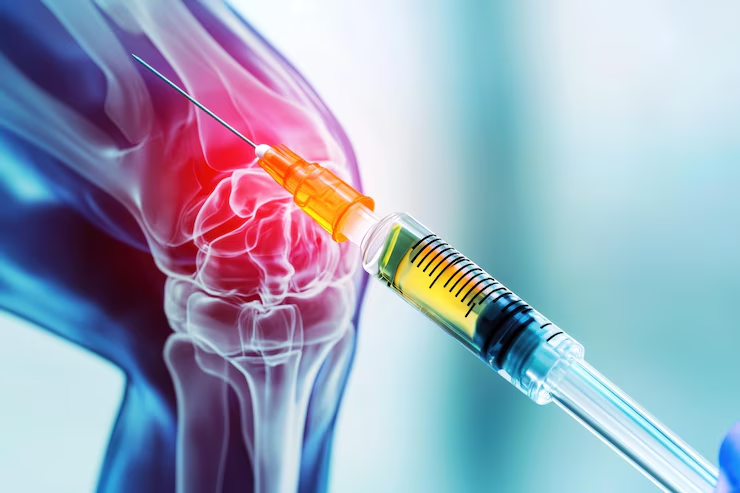
Bone Marrow Aspirate Concentrate (BMAC) is an advanced biologic treatment that utilizes regenerative components obtained from bone marrow to support tissue repair and healing. This option is often recommended for patients with more complex or advanced musculoskeletal conditions.
Bone Marrow Aspirate Concentrate (BMAC) injections may be used to treat moderate to severe osteoarthritis, cartilage damage, ligament or tendon injuries, and chronic joint pain affecting the knee, hip, shoulder, or spine. These treatments aim to reduce pain, improve function, and potentially help patients delay or avoid surgical intervention, including joint replacement.
Who is a Candidate for Bone Marrow Aspirate Concentrate (BMAC) Regenerative Therapy?
Bone Marrow Aspirate Concentrate (BMAC) Regenerative therapy may be appropriate for patients who:
-
Have moderate to advanced joint degeneration
-
Experience chronic joint pain not relieved by conservative treatments
-
Are seeking alternatives to joint replacement surgery
-
Have cartilage, tendon, or ligament injuries
-
Are medically appropriate candidates for a minimally invasive procedure
Potential Risks and Side Effects
Because bone marrow therapy involves a minimally invasive harvesting procedure, potential risks may include:
-
Temporary pain or soreness at the harvest or injection site
-
Swelling, stiffness, or bruising
-
Temporary increase in inflammation
-
Bleeding or infection (rare)
Frequently Asked Questions About Regenerative Medicine
What is regenerative medicine?
Regenerative medicine refers to treatments designed to support the body’s natural healing processes using advanced biologic therapies and minimally invasive techniques.
Is PRP therapy the same as surgery?
No. PRP therapy is a minimally invasive treatment that uses concentrated platelets from the patient’s own blood and does not involve major surgery.
How long does recovery take after PRP therapy?
Recovery time varies depending on the patient and condition being treated. Many patients are able to return to normal daily activities relatively quickly after treatment.
Is regenerative medicine right for everyone?
Not every patient is a candidate for regenerative medicine. A consultation and orthopedic evaluation are important to determine the best treatment approach for your specific condition.
Do I need a referral?
No referral is necessary to schedule a consultation with Whole Health Orthopedic Institute.
What to Expect During Your Consultation
Your consultation begins with a thorough orthopedic evaluation to better understand your symptoms, medical history, and treatment goals. Our team will discuss available treatment options and determine whether regenerative medicine may be appropriate for your condition.
We believe informed patients make confident decisions. That’s why we prioritize education, transparency, and individualized care throughout every step of the process.
Serving Patients in Meadville & Erie, PA
Whole Health Orthopedic Institute proudly serves patients throughout Meadville, Erie, and surrounding Pennsylvania communities seeking advanced orthopedic and regenerative medicine care.